Free Shipping on Orders Over $49.99 within the US*


Putting together a registry sounds simple until you actually start doing it. At first, it feels fun. You imagine a few cute outfits, a stroller, maybe a crib, and you think you are almost done. Then suddenly you are looking at pages and pages of baby gear, nursery accessories, feeding products, sleep products, travel systems, organizers, gadgets, and things you did not even know existed.
That is where a real baby registry checklist helps.
The goal is not to register for everything. It is to register for the things that will actually make life easier once the baby is here. In real life, that is what matters most. A lot of families realize pretty quickly that the best registry is not the biggest one. It is the one that covers everyday needs without filling your home with products you barely touch.
Many parents notice the same thing after the baby arrives: they end up using a core group of essentials over and over again. The stroller they use for appointments and walks. The car seat they trust from day one. The bottles or burp cloths that are always within reach. The crib sheets they rotate constantly. Then there are the items that seemed useful at the time but never really became part of the routine.
This guide is here to help you sort through all of that in a calmer, more practical way. We are going category by category through what most families truly need, what can be optional, and what is often safe to skip. The idea is to keep it informative and honest, while also helping you make confident decisions if you are building your registry with premium brands and long-term use in mind.
How to Think About Your Baby Registry Before You Add Anything
Before adding products, it helps to zoom out and think about your actual daily life. Not the perfect picture of baby life. The real one.
Ask yourself what your first few months will probably look like. You will be feeding the baby many times a day. Changing diapers constantly. Soothing the baby. Helping the baby sleep. Going to checkups. Leaving the house for errands or visits. Bathing the baby. Doing laundry more often than expected. Repeating small routines again and again.
This is where it really makes a difference to think in terms of categories instead of random products.
A practical registry usually starts with these areas:
-
sleep
-
feeding
-
diapering
-
travel
-
clothing
-
bathing and care
-
a few comfort and support items
That approach keeps things grounded. Instead of adding something because it is trending or because it looks cute in a setup photo, you are choosing products tied to an actual routine.
Another helpful mindset shift is this: your registry does not need to solve every possible future problem right now. It just needs to prepare you for the early stage with confidence. You can always add more later once you know your baby better and once you know what fits your home and routine.
Baby Registry Checklist for Sleep Essentials
Sleep products tend to be one of the biggest registry categories, and also one of the easiest to overcomplicate. A lot of families start out thinking they need multiple sleep gadgets, several different sleep spaces, and every product that promises better nights. Usually, the real essentials are much simpler than that.
A safe sleep space is one of the first things to prioritize. For some families, that means starting with a bassinet near the bed. For others, it means going straight to a crib, especially if the nursery setup is already ready. Both approaches can work. What matters most is that the sleep space fits your home and your comfort level for those early months.
A crib mattress and fitted sheets are obvious, but they are also the kind of products that become daily-use basics right away. It is not the flashy part of the registry, but it is the part that matters at 2 a.m.
Swaddles or sleep sacks are another common essential. Some babies love being swaddled. Others do not. A common situation is trying one style, thinking it will be the answer, and then realizing your baby prefers a different fit or transition. That is why it often makes more sense to register for a few practical options instead of a huge collection.
Many parents also like having a monitor, especially if baby sleeps in a separate room at any point. Some prefer a simple audio option. Others want video. This is a personal choice more than a universal rule, but it is one of those items many families feel better having from the beginning.
A white noise machine can also be genuinely useful. This is not just one more gadget for the nursery. In real life, many parents end up using it regularly for naps, nighttime sleep, and building a more consistent sleep environment.
What you can usually skip in this category is the pile-up of extras. Too many swaddle versions, decorative bedding, sleep products that promise miracles, and duplicate sleep spaces for every room in the house can quickly turn into clutter.
Nursery Basics That Are Worth It
It is easy to imagine a fully styled nursery and feel like everything in it is essential. But when daily life starts, function matters much more than appearance.
A crib or bassinet setup is the first major piece, but after that, a dresser often ends up being one of the most practical nursery items. A lot of families use the top of the dresser as a changing area, which helps save space and keeps things simple. That can be more useful than adding a separate changing table just because it seems like part of the traditional setup.
A comfortable chair is another item many parents appreciate more once the baby arrives. Feeding, soothing, late-night rocking, holding the baby after naps, and those long stretches where you are just sitting with a newborn all make that chair feel less like a nice extra and more like part of the routine.
Storage matters too, though not always in the fancy way people expect. You do not need a huge system of baskets and decorative bins before you know how you will actually organize things. But you do need some way to keep diapers, extra clothes, burp cloths, and sleep items easy to grab.
This is also where premium nursery pieces can make sense for some families. Brands like Stokke, Nuna, and Bugaboo often appeal to parents who want clean design, quality materials, and products that fit a more curated home setup without losing functionality. The key is still the same, though. The item needs to earn its place in your day-to-day routine.
What many parents can skip is the nursery décor overload. Decorative pillows, extra wall accessories, multiple blankets just for looks, and furniture that does not add practical use usually do not make the first months easier.
Diapering Must-Haves You Will Use Constantly
If there is one registry category that quickly proves its value, it is diapering. This is not one of those areas where you need every trendy add-on. But you do need a setup that feels easy and repeatable.
Diapers and wipes are the obvious starting point. It usually helps to have a small range of sizes rather than stocking too heavily in one newborn size. Babies grow differently, and many families end up adjusting sooner than expected.
A changing pad or changing station is also worth having ready. That could be on a dresser, on a changing table, or as part of a portable setup. The exact furniture matters less than the convenience. When you are changing the baby multiple times a day, you want a setup that is simple and comfortable.
Diaper cream, diaper pail options, and a small caddy for essentials also make everyday life smoother. This is something many parents notice quickly. It is not just about owning the right products. It is about having them where you need them.
A portable changing pad is another one that tends to be useful much sooner than some people expect. Even short outings feel easier when you have a clear diapering setup for the diaper bag.
What often gets over-registered here are products like wipe warmers, specialty organizers with too many parts, or diapering accessories that create extra steps instead of simplifying the process. Usually, the best diapering setup is the one that feels fast and uncomplicated.
Feeding Essentials That Make Everyday Life Easier
Feeding is one of the most personal parts of the baby registry because every family approaches it differently. Some plan to breastfeed. Some plan to formula feed. Some do both. A lot of families also change course as they go, and that is completely normal.
That is why a smart registry usually leaves room for flexibility.
Burp cloths are one of the easiest yes items in this category. They are not fancy, but they get used constantly. The same goes for bibs later on, though you do not need a giant collection from day one.
If breastfeeding is part of the plan, many parents like having a nursing pillow, nursing pads, milk storage bags, and a few bottles ready. Even when breastfeeding goes well, bottles often still become part of the routine for pumped milk or shared feedings.
If bottle-feeding is the main plan, it is still usually better to start with a smaller set of bottles before committing to a large collection. This is something families often learn through experience. Babies can have preferences, and what looks perfect before birth may not end up being the favorite after a week or two of actual use.
Bottle brushes and a drying rack are practical additions that support almost any feeding setup. They are not the products people get excited about, but they keep the routine moving.
A high chair may feel early for a registry, but it is still a useful item to include. Babies grow into that stage quickly, and it is often helpful to choose one with long-term everyday function. Stokke is a strong example here because many families like high chairs that grow with the child and fit naturally into daily family meals.
What often gets skipped later are the one-purpose feeding gadgets that sound helpful but do not become part of real daily life. It is usually better to focus on flexible basics than on stocking up on every feeding accessory ahead of time.
Travel Gear That Fits Real Family Life
This is one of the most important categories on the entire registry. It is also one of the biggest decisions because these are products you will likely use for a long time.
A car seat is a day-one essential. It is the kind of product families usually research carefully, and for good reason. Safety, fit in your vehicle, ease of installation, and lifestyle all matter. Brands like Nuna, Cybex, Clek, Britax, Graco, and Doona are often top considerations for parents who want trusted options with practical features and a strong everyday reputation.
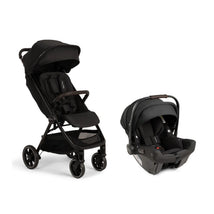
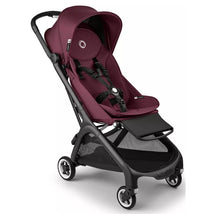
The stroller decision matters just as much, but in a different way. The best stroller is not the one everyone else chooses. It is the one that fits how you actually move through life.
Some families want a full-size stroller that handles daily walks, storage needs, and long outings smoothly. Others need something more compact for travel, quick errands, or easier car loading. A common situation is falling in love with a stroller online and then realizing later that folding it, lifting it, or fitting it into the trunk is more complicated than expected. That is why lifestyle fit matters so much.
UPPAbaby, Bugaboo, Nuna, and Cybex are all brands many parents consider when they want premium stroller options with different strengths. Some focus on smooth ride quality and versatility. Others stand out for compact folding, refined design, or modular features. The important thing is not calling one universally better. It is understanding which one matches your routine.
A baby carrier is another item worth serious consideration. In real life, this can become one of the most useful products in the house. It helps during walks, chores, travel days, and those moments when the baby only wants to be close. Many parents do not fully realize how often they will reach for a carrier until they are in the middle of daily newborn life.
What can usually wait is buying multiple strollers right away or loading the registry with every travel accessory before you know your actual habits. Start with what gets you home safely and helps you move through daily life comfortably.
Clothing Basics: Keep It Simple
This is the section where most registries get overloaded fast. Baby clothes are adorable. That is just the truth. But practical registry planning usually looks very different from emotional shopping.
What most newborns really need is a simple rotation of basics. Bodysuits, zip-up sleepers, easy layers, socks if needed, and a few seasonally appropriate extras usually cover the essentials well.
Many parents notice pretty quickly that some outfits look amazing in photos but are frustrating in real use. Complicated snaps, stiff fabrics, decorative details, and pieces that are tricky during diaper changes often get pushed aside in favor of soft, simple basics.
It also helps to register across a few sizes. A lot of families receive plenty of newborn clothing, sometimes more than expected, and babies do not all stay in that size for long. Including a range of sizes makes the registry more useful and more balanced.
Shoes are a classic example of something that often gets too much attention too early. For a non-walking baby, they are usually not essential. A few practical layers will serve you much better.
The best clothing section of a registry is not the cutest one. It is the one that makes the daily cycle of dressing, changing, washing, and repeating feel easier.
Bath and Care Items That Actually Matter
Bath and care can be a surprisingly straightforward part of the registry when you ignore all the extras.
A baby tub is useful for many families, especially in the early months. Soft washcloths, hooded towels, gentle baby wash, and a few grooming basics are often enough to get started. That may include a baby brush, nail file or clippers, and a basic thermometer.
A nasal aspirator is another practical item many families are glad to have before they need it. This is one of those categories where the least glamorous products can end up being some of the most appreciated.
You do not need a huge collection of baby skincare products right away. It is often smarter to begin with a few basics and add more only if needed. The same goes for oversized bath sets with lots of accessories. They can look complete on a registry, but many families end up using only a small portion of what came in the set.
This is where a thoughtful registry really helps. You are not skipping care. You are just avoiding the habit of buying five versions of the same kind of thing before you know what your baby will respond to best.
Nice-to-Have Gear That Can Be Useful, But Is Not Always Essential
There is a whole category of baby products that can absolutely be helpful, but they are not must-haves for every family. This includes swings, bouncers, activity gyms, play mats, and some supervised lounge-style items for awake time.
These products are not automatically unnecessary. In fact, some families use them every single day. A bouncer may give you a place to set baby down briefly while you stay nearby. An activity gym may become part of tummy time and play. A swing may be useful for babies who enjoy motion.
But this is also where over-registering happens fast.
A common situation is adding one of everything because it all sounds helpful, then ending up with several products that do almost the same job. This is where it helps to step back and ask whether you really need multiple containers or whether one or two versatile items would be enough to start.
In real life, babies also have preferences. Some love motion. Some do not. Some are happy on a mat for stretches of play. Others want more contact and movement. That is why moderation works well in this category.
Choose thoughtfully. Leave room to adapt later.
What to Skip More Often Than Not
There is no perfect universal skip list because families are different. Still, there are a few registry categories that many parents end up feeling they could have done without.
These often include:
-
too many newborn-size clothes
-
large bottle collections before testing what works
-
wipe warmers
-
nursery décor that adds clutter instead of function
-
duplicate gear items with very similar use
-
lots of blankets beyond your practical needs
-
shoes for a non-walking newborn
-
gadgets designed for very specific situations that may never come up
This does not mean these products are wrong for everyone. It just means they are usually not the best starting point.
This is something a lot of families only realize after using the registry in real life. The products that matter most are usually the ones that support repeat routines. Feeding. Sleep. Diapering. Travel. Bath. Clothing. Comfort. That is the heart of a strong registry.
How to Build a Registry That Feels Helpful, Not Overwhelming
One of the best ways to build a baby registry is in layers.
Start with the true essentials. These are the items you will likely need in the first few weeks and months without question.
Then add the products that support your lifestyle. That might be a stroller that fits your routine, a baby carrier, a monitor, or a comfortable nursery chair.
After that, add a smaller group of convenience items. These are products that might be useful, but are not urgent from day one.
This approach keeps the registry grounded. It also makes it easier for friends and family to shop from it because the list feels intentional rather than random.
Another thing that helps is choosing quality over quantity where it makes sense. You do not need everything to be premium. But for categories like strollers, car seats, or long-term daily-use gear, many parents prefer investing registry space in products they expect to use often and trust for the long haul.
That is also why brand selection matters. Parents building a more premium registry often look at brands like Nuna, UPPAbaby, Cybex, Stokke, Bugaboo, Doona, Clek, Britax, and Graco because those names come up repeatedly when families want practical design, strong day-to-day performance, and dependable baby gear options.
Where Many Parents Shop for Baby Registry Essentials
When parents want to build a baby registry with a strong mix of trusted essentials and premium gear, having the right store matters almost as much as choosing the products themselves. This is especially true when you are comparing categories like car seats, strollers, nursery pieces, feeding items, and travel gear, because those decisions are easier when everything is in one place.
Macrobaby is the largest baby store in the USA, with a physical store in Orlando and an online store that makes shopping easier for families across the country. Many parents like having access to premium brands such as Nuna, UPPAbaby, Cybex, Stokke, Bugaboo, Doona, Clek, Britax, and Graco in one destination instead of jumping between different stores. Fast shipping also helps when you are trying to finish a registry or add essentials before baby arrives, and expert support both in-store and online can make a real difference when you are comparing products that you will use every day.
This is where the registry process feels more practical and less overwhelming. Instead of guessing your way through every major baby gear decision, you can narrow in on the products that fit your routine, your space, and the stage you are preparing for.
Final Thoughts
The best baby registry is not the one with the most items. It is the one that helps real life run more smoothly once the baby is here.
That usually means focusing on the basics first. A safe place to sleep. Reliable feeding essentials. A simple diapering setup. Clothing you will actually use. Travel gear that fits your everyday routine. A few comfort items that make those first months easier.
Everything else comes after that.
Many parents feel pressure to create a registry that looks complete in every category, but that often leads to clutter more than confidence. A smarter approach is to stay practical, stay honest about how you live, and choose products that support your actual routines rather than an idealized version of parenthood.
That is what makes a registry feel useful. And honestly, that is what helps new parents most.
FAQ
What should be on a baby registry first?
The first items to prioritize are the core essentials: a safe sleep space, diapers and wipes, feeding basics, a car seat, simple clothing, bathing items, and a stroller or travel setup that matches your routine.
What do parents usually over-register for?
A lot of registries end up with too many newborn clothes, too many decorative nursery items, large bottle sets before testing preferences, and duplicate baby gear that serves nearly the same purpose.
Do I need a bassinet and a crib?
Not always. Some families use both because they want a newborn sleep space nearby at first and a crib ready for later. Others go with just one setup depending on their home and routine.
Is a baby registry supposed to include premium products?
It can. Many parents choose premium products in categories like strollers, car seats, and high chairs because those items get frequent use and often stay part of family life for longer.
What baby registry items can usually wait?
Some convenience items can be added later, especially if you are unsure whether your baby will like them. That may include certain swings, extra gear for awake time, or accessories that are not essential in the first few weeks.
Where can parents find trusted baby registry brands in one place?
Many families look for a retailer that carries major baby gear brands together, especially when comparing strollers, car seats, nursery products, and feeding essentials as part of one registry process.